
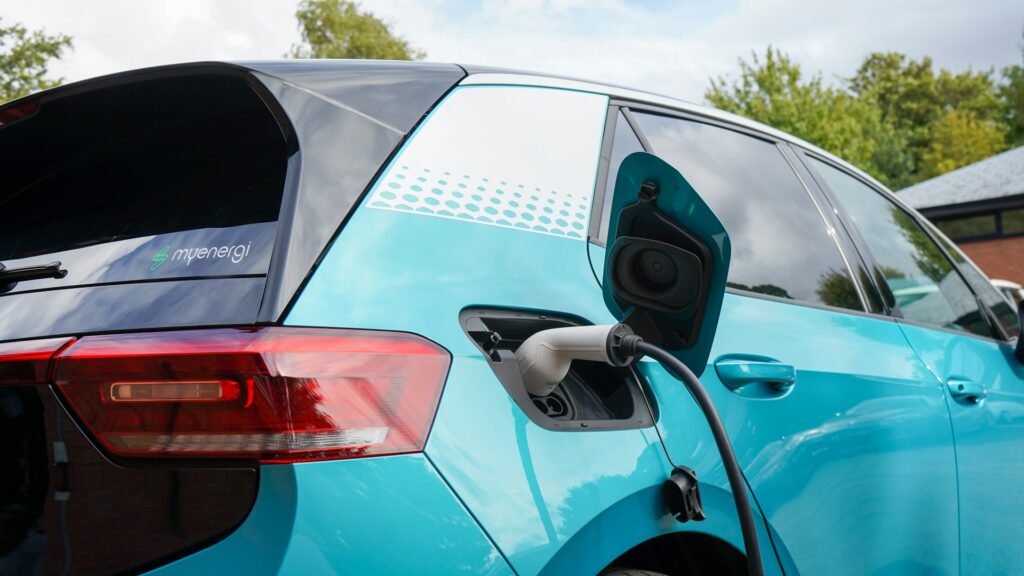
The automotive industry is undergoing one of its most significant transformations in decades. Electric vehicles, or EVs, are no longer a niche segment. They are shaping how manufacturers design cars, how consumers think about transportation, and how governments regulate energy and emissions. This shift is not only technological but also cultural, affecting industries and lifestyles alike.
The Rise of Electric Vehicles
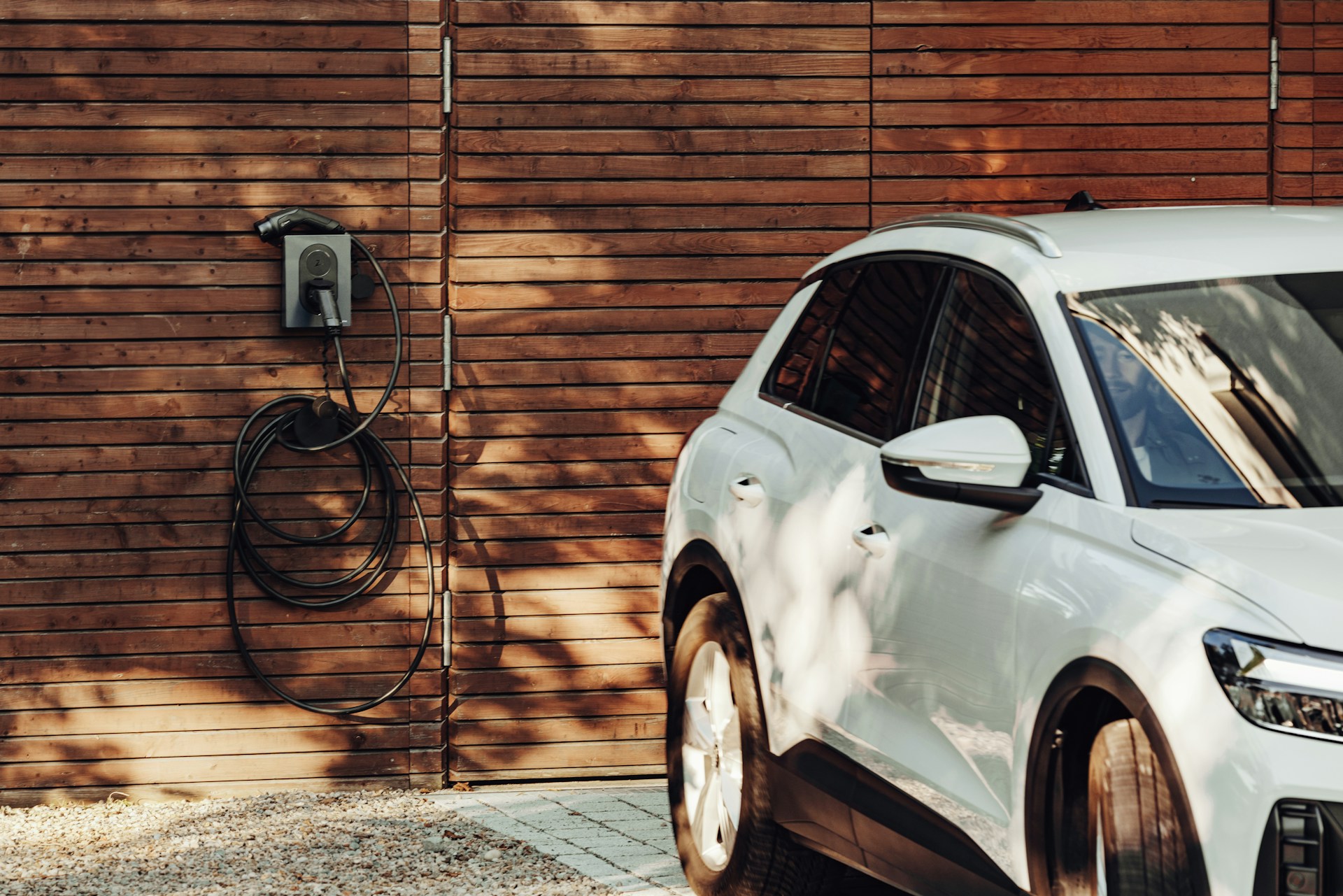 Electric vehicles have grown rapidly in popularity over the past decade. Advances in battery technology, government incentives, and environmental awareness have fueled this growth. Consumers are increasingly attracted to EVs for their efficiency and low operating costs. The rise of EVs signals a fundamental change in consumer expectations for vehicles.
Impact on Traditional Car Manufacturers
Traditional automakers face both challenges and opportunities. Companies known for internal combustion engines must innovate to remain competitive. Many are investing heavily in EV technology, creating new models, and upgrading production lines. This transition requires rethinking design, engineering, and supply chains. Manufacturers that adapt quickly can gain a unique edge in a rapidly evolving market.
Infrastructure Development
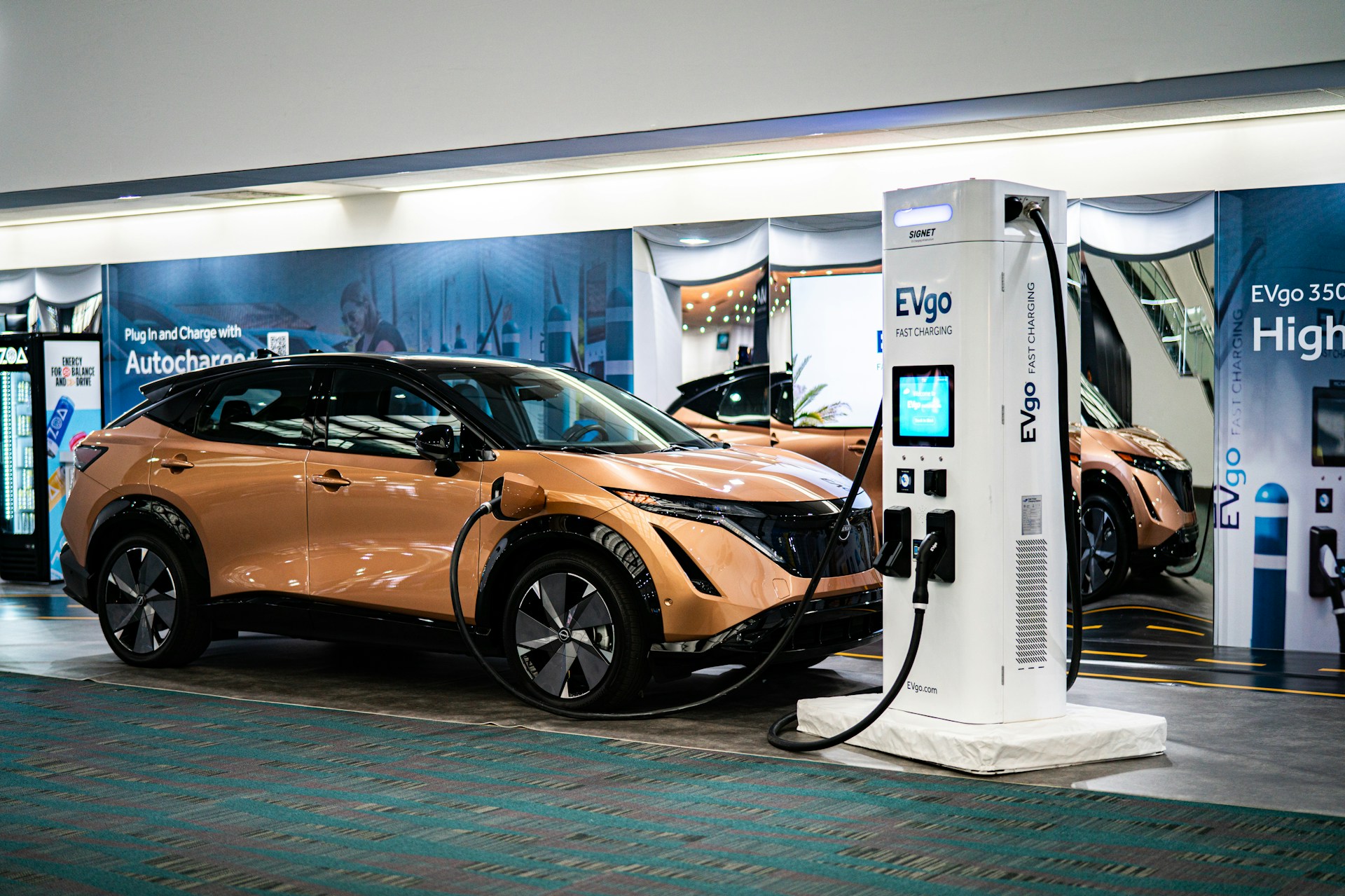
Widespread adoption of EVs depends on the charging infrastructure. Governments and private companies are investing in public and home charging solutions. Fast-charging networks make long-distance travel feasible and convenient. A reliable charging network ensures consumer confidence and supports the transition from gasoline-powered cars. Without adequate infrastructure, EV growth would be limited.
Environmental Benefits
Electric vehicles contribute to reducing greenhouse gas emissions and air pollution. They run on electricity rather than fossil fuels, lowering carbon footprints. While energy sources still vary, the overall environmental impact is significantly smaller than that of traditional vehicles. EVs help cities meet sustainability goals and encourage a shift toward greener transportation solutions.
Redefine Vehicle Design
Electric vehicles are changing how cars are designed. EVs have fewer mechanical components than traditional cars, allowing for creative approaches to space and layout. Designers can focus on aerodynamics, cabin comfort, and integrated technology. The result is vehicles that often feel futuristic while meeting practical needs. This shift highlights the unique possibilities unlocked by electric mobility.
Consumer Behavior and Market Trends
Consumer attitudes are evolving alongside technology. Many buyers now prioritize sustainability, lower running costs, and advanced features over traditional performance metrics. Subscription models, car sharing, and fleet electrification are becoming more common. These trends indicate that EVs are influencing broader mobility patterns and redefining what people expect from a vehicle.
Challenges Ahead
Despite the promise of electric vehicles, challenges remain. Battery production, rare material sourcing, and disposal pose environmental and ethical concerns. Charging infrastructure is still uneven in some regions, and higher upfront costs can deter buyers. Manufacturers, governments, and consumers must work together to address these hurdles. Overcoming these obstacles is essential to ensuring EVs reach their full potential.
Technological Innovation
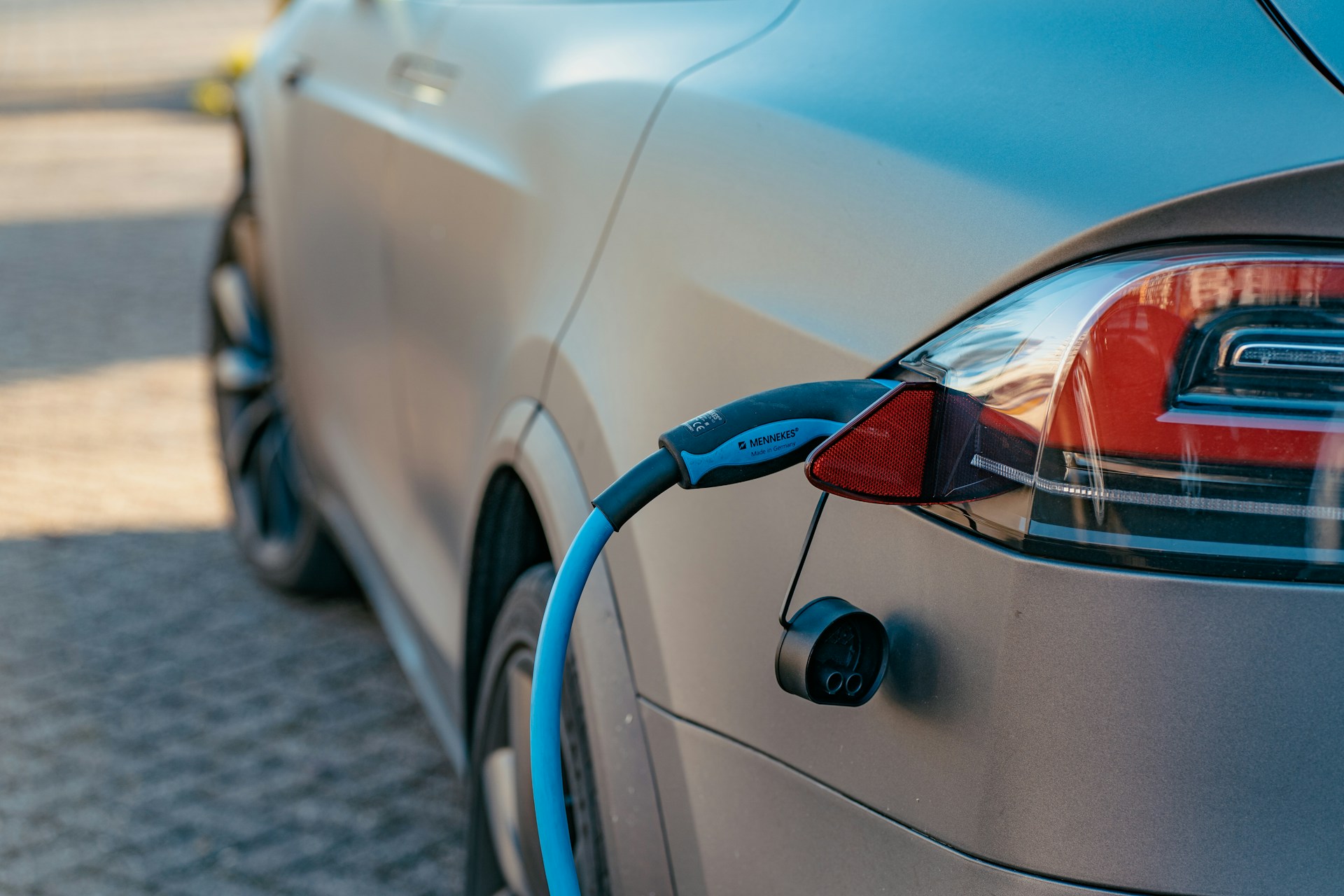 EVs drive innovation across the automotive sector. Battery technology, regenerative braking, and advanced power electronics are just a few areas seeing rapid improvement. Software integration enables smarter navigation, predictive maintenance, and over-the-air updates. These technological advances improve efficiency, safety, and convenience for drivers, creating a more connected driving experience.
Electric vehicles are transforming the automotive industry in profound ways. From design and technology to consumer behavior and environmental impact, EVs are shaping the future of transportation. Traditional automakers must adapt, infrastructure must expand, and consumers must embrace change. This ongoing shift promises a more sustainable, innovative, and connected automotive world.…